Compare Local Contractors for Electrical Outlet Relocation Services
Compare local contractors to define scope, verify experience, and set clear expectations for safe, accurate electrical outlet relocation projects.
Electrical outlet relocation services typically involve moving existing outlets to different locations within a property to better suit layout changes, improve accessibility, or enhance safety. This work often covers tasks such as disconnecting the current outlets, rerouting wiring through walls or ceilings, installing new electrical boxes, and ensuring the outlets are properly secured and functional in their new positions. Depending on the complexity of the project, some relocations may require modifications to existing wiring or adherence to specific electrical codes, making it important to clearly define the scope of work before beginning.
Clearly establishing the scope of an outlet relocation project is essential for ensuring that all parties have a shared understanding of the work involved. Defining specifics-such as the number of outlets to be moved, the new locations, and any necessary modifications to wiring or wall structures-helps prevent misunderstandings and scope creep. It also allows property owners to communicate their expectations effectively and ensures that contractors can provide accurate assessments of the work required, which can influence project planning and safety considerations.
When comparing local contractors for outlet relocation services, property owners should consider factors such as experience with similar projects, reputation within the community, and the clarity of their written proposals. Verifying that contractors have a history of handling electrical work safely and efficiently can help ensure quality results. It’s also beneficial to review detailed written estimates or scope documents from each service provider to assess how well they understand the project and whether their approach aligns with the property owner’s needs. This careful comparison helps identify professionals who are well-equipped to handle the specific requirements of the job.
Compare local contractors by outlining project priorities, verifying experience, and establishing clear expectations in writing.
- Compare Contractor Experience - Review the backgrounds and project history of local contractors to ensure relevant expertise.
- Define Project Scope Clearly - Specify the details of the outlet relocation to align expectations and prevent misunderstandings.
- Verify Credentials and References - Check references and credentials to confirm the reliability and skill level of service providers.
- Document Project Details in Writing - Establish a clear agreement outlining the scope, responsibilities, and expectations before work begins.
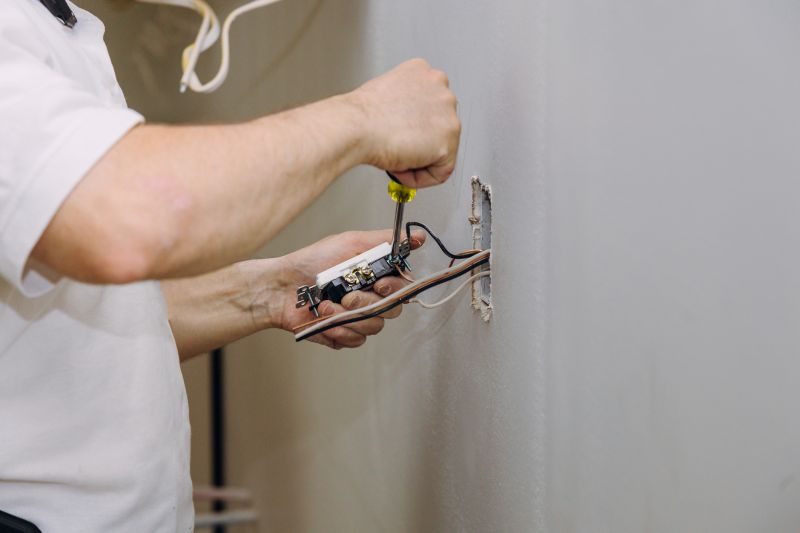
Compare local contractors by clearly describing your outlet relocation project, defining scope, verifying experience, and setting expectations in writing.
- Verify experience and expertise of service providers in electrical outlet relocation projects. - Ensure contractors understand the scope of work and can clearly define the process in writing.
- Compare multiple local contractors to assess their qualifications and approach to outlet relocation. - Look for detailed estimates that outline the specific tasks and materials involved.
- Check references or reviews to gauge the reliability and quality of previous outlet relocation work performed by the contractor. - Confirm that the scope of work and expectations are documented before work begins.
- Discuss the electrical code requirements and ensure the contractor adheres to safety standards during relocation. - Clarify the process for obtaining necessary permits or inspections if applicable.
- Inquire about the contractor’s experience with similar outlet relocation projects to ensure competency. - Make sure all project details, including scope and responsibilities, are agreed upon in writing.
Compare local contractors’ experience and clarify scope to ensure your outlet relocation project meets expectations.
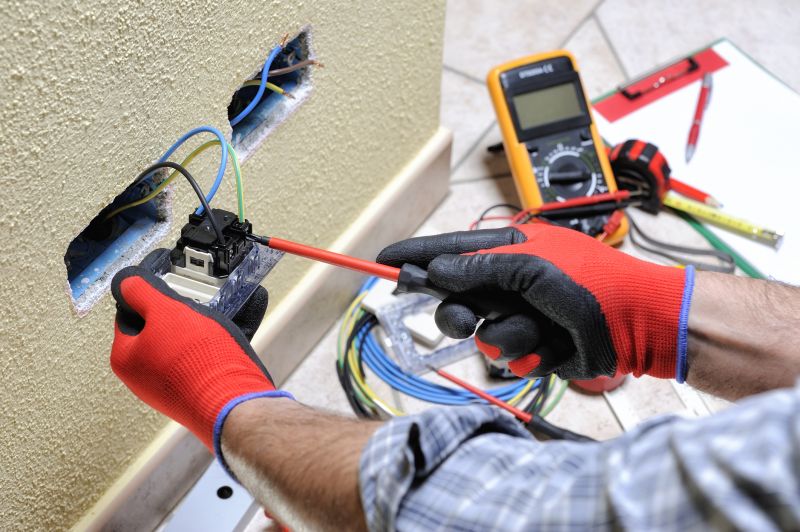



Compare local contractors' scope definitions and experience to ensure consistent standards across all service providers.
- Scope Definition - Clearly outline the specific locations and number of outlets to be relocated.
- Experience Verification - Confirm that service providers have relevant experience with electrical outlet modifications.
- Work Details - Specify the type of electrical work involved, including any modifications to wiring or electrical panels.
- Material and Equipment - Identify the materials and tools required for the outlet relocation process.
- Written Agreement - Ensure all project details, scope, and expectations are documented in a formal agreement with the contractor.
When evaluating contractors for electrical outlet relocation, it is important to consider their experience with similar projects. Service providers who have completed comparable work can offer insights into potential challenges and effective solutions. Inquire about their background handling outlet relocations in spaces similar to your home, such as kitchens, bathrooms, or living areas, to gauge their familiarity with the specific requirements of your project. Contractors with a proven track record in these types of projects are more likely to understand the nuances involved and deliver results that meet expectations.
A clear, written scope of work is essential when comparing service providers. This document should outline the specific tasks involved, including the number of outlets to be moved, the locations involved, and any additional work such as wiring modifications or drywall repair. Having a detailed scope helps ensure all parties understand the extent of the project and reduces the risk of misunderstandings. When reviewing proposals or estimates, look for service providers who can provide comprehensive, written descriptions of the work to be performed, which can serve as a reference throughout the project.
Verification basics involve confirming that service providers understand the technical requirements and safety considerations associated with outlet relocation. Ask about their approach to verifying the existing wiring, ensuring proper grounding, and complying with electrical standards. Service providers should be able to explain how they plan to assess the current electrical setup and ensure that the work will be performed safely and correctly. While licensing and certification are not discussed here, it is still important to confirm that the contractor has the necessary experience and knowledge to handle electrical modifications properly.
When comparing options, focus on how each service provider communicates their process and scope in writing, as well as their experience with similar projects. Consider the clarity of their explanations, the level of detail in their scope of work, and their approach to verifying existing electrical systems. A thorough, well-documented proposal can provide confidence that the contractor understands the project’s requirements and is prepared to deliver quality work. Avoid making decisions based solely on general impressions; instead, use the written information and experience to assess which service providers are best equipped to handle the outlet relocation to your satisfaction.
Request written scope details from local contractors to ensure clear understanding and consistent project expectations.
- Experience with Outlet Relocation - How much experience do local contractors have specifically with electrical outlet relocation projects?
- Scope of Work - What is included in the scope of the outlet relocation, and how do contractors define project boundaries?
- Comparison of Services - How do different service providers approach the scope and methods of outlet relocation?
- Work Guarantees - Are the project details and expectations clearly outlined in written agreements?
- Past Projects - Can contractors provide examples or references of similar outlet relocation work they have completed?
How can I compare contractors for outlet relocation? Look for service providers who clearly outline their scope of work, experience, and credentials, and consider reading reviews or seeking recommendations to evaluate their reputation.
What should I consider when defining the scope of an outlet relocation project? Clearly specify the number of outlets to move, the desired locations, and any additional electrical work needed to ensure all parties understand the project requirements.
How can I verify a contractor’s experience with outlet relocation? Ask for details about their previous projects, including similar relocations, and request references or examples of completed work to assess their expertise.
What is important to include in a written agreement with a contractor? Ensure the scope of work, project expectations, responsibilities, and any warranties or guarantees are documented to prevent misunderstandings.
How do I ensure that a contractor understands my project needs? Communicate your requirements clearly and ask for a detailed proposal or plan that outlines how they will approach the outlet relocation.
Why is it helpful to compare multiple service providers for outlet relocation? Comparing different contractors allows for evaluating their experience, scope of work, and professionalism to find the best fit for the project.
Visitors now have a clear understanding of the key considerations when choosing a contractor for electrical outlet relocation, including how to define the scope of work, verify experience, and ensure all details are agreed upon in writing. This knowledge helps facilitate a well-organized process and sets the foundation for a successful project. To explore options and compare different service providers in the area, using the quote form can provide a convenient way to connect with local contractors ready to assist with the job.
By utilizing the quote form, visitors can efficiently review and compare local contractors who are equipped to handle electrical outlet relocation. This step allows for gathering information and making informed decisions based on the options available in the area, ensuring the process aligns with individual needs and expectations.